




Campaign Briefing App
Select Property
UK / GCC / Global — 2026
AI & Creative Tools
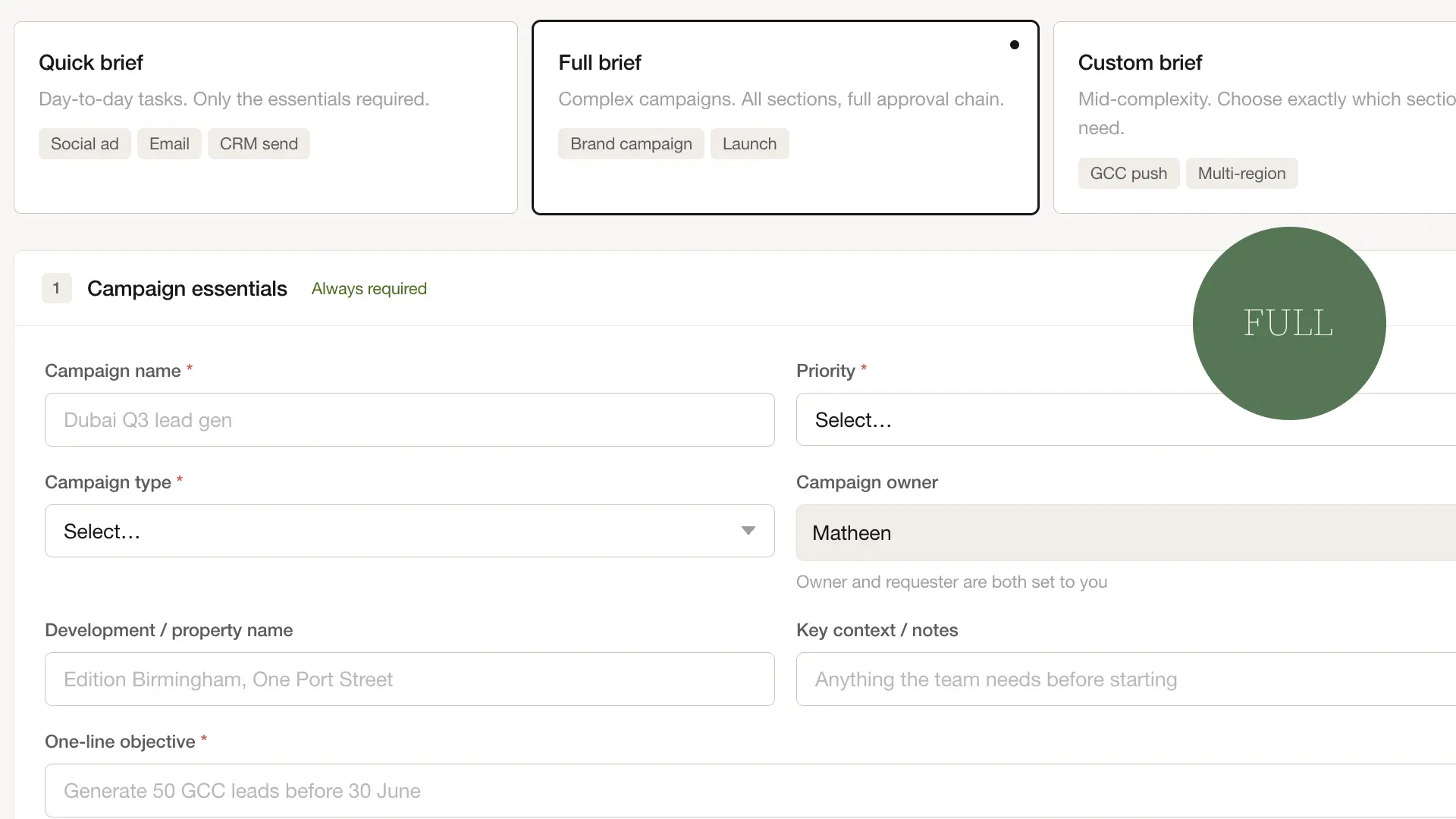
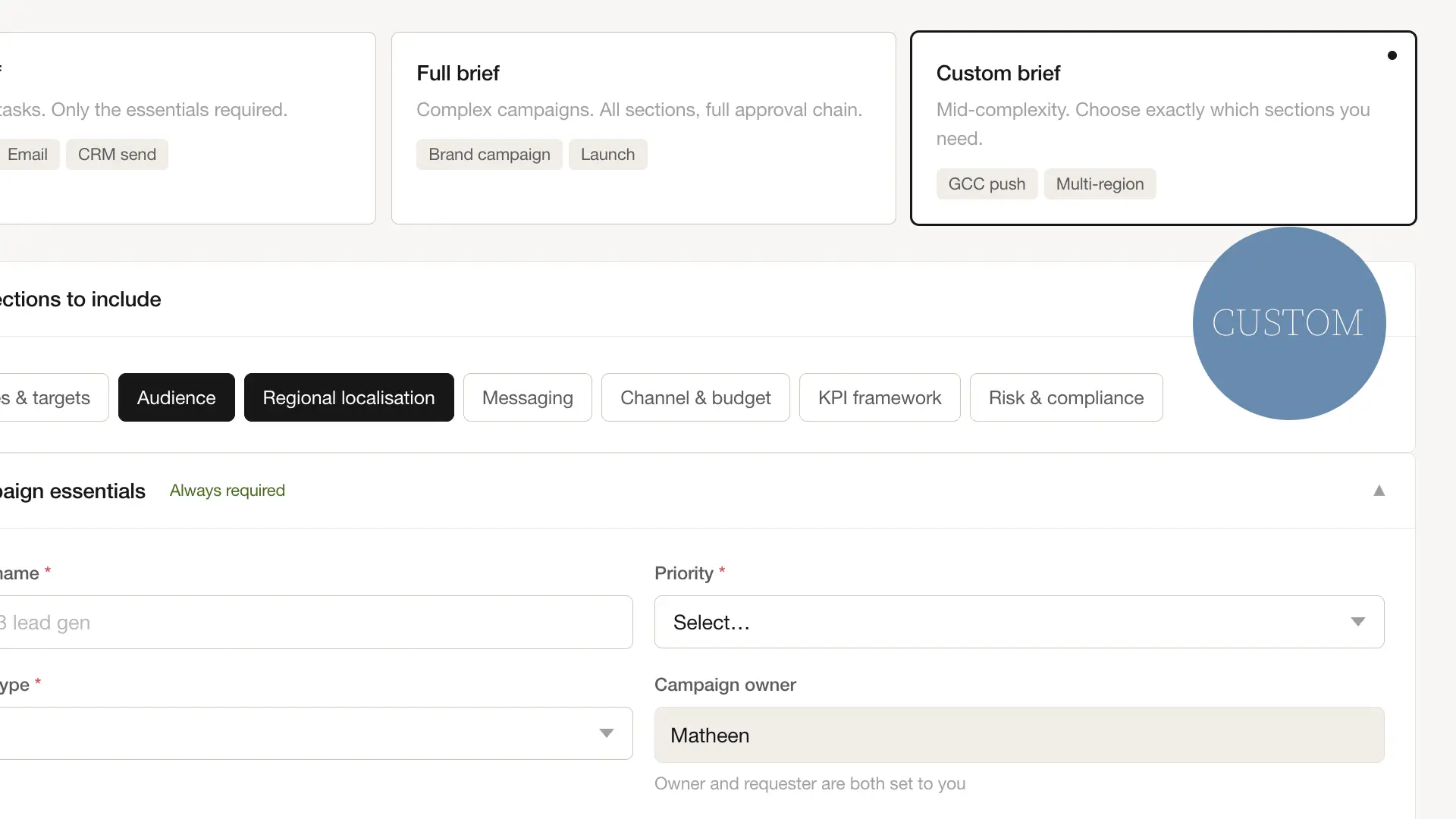
Creative teams rarely lose time to the work. They lose it to everything around the work.
Campaign requests were reaching the team through whatever channel the requester happened to prefer, each one missing something different. Nobody could say who had approved what, or why a brief had changed between Tuesday and Thursday.
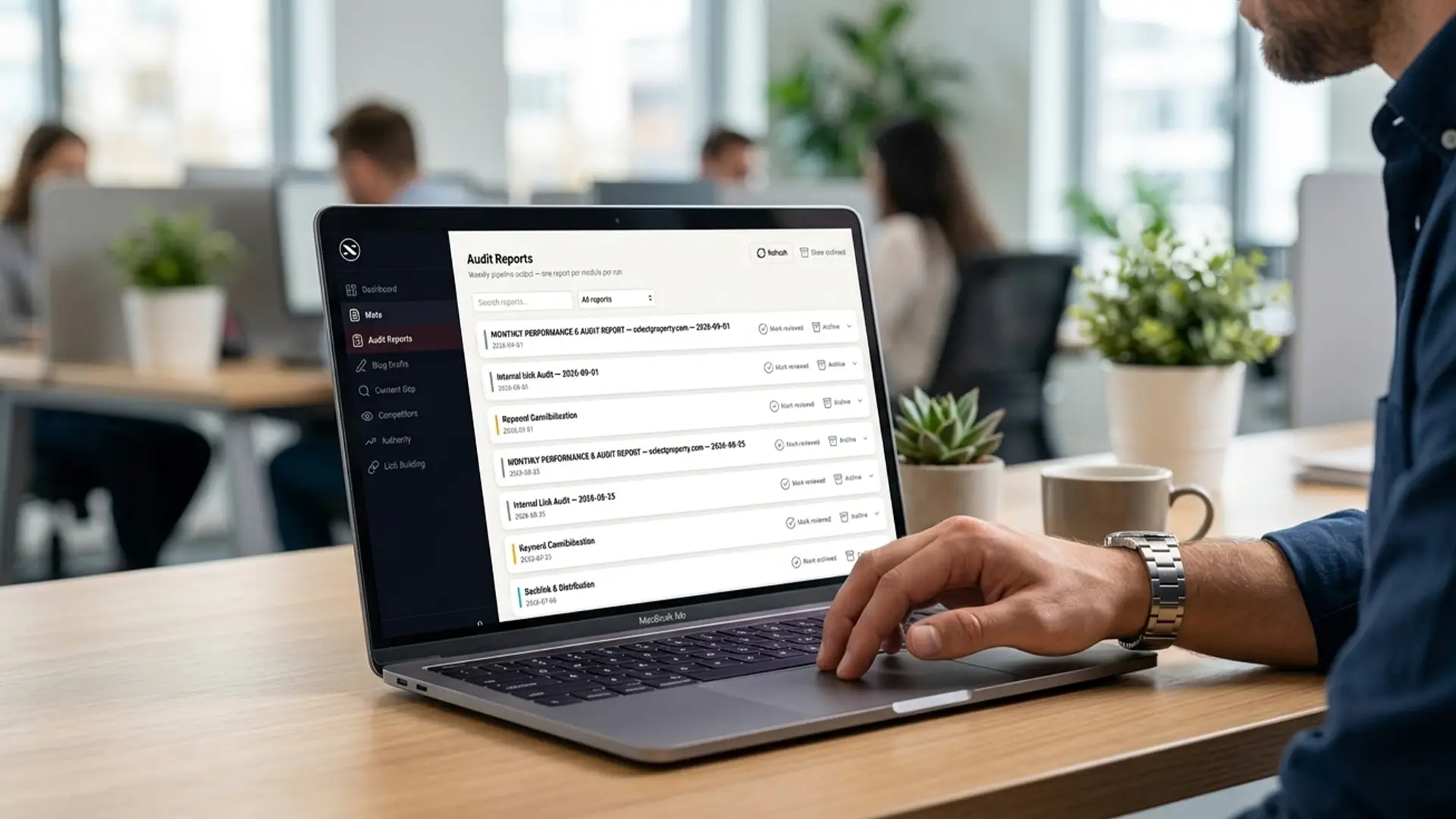
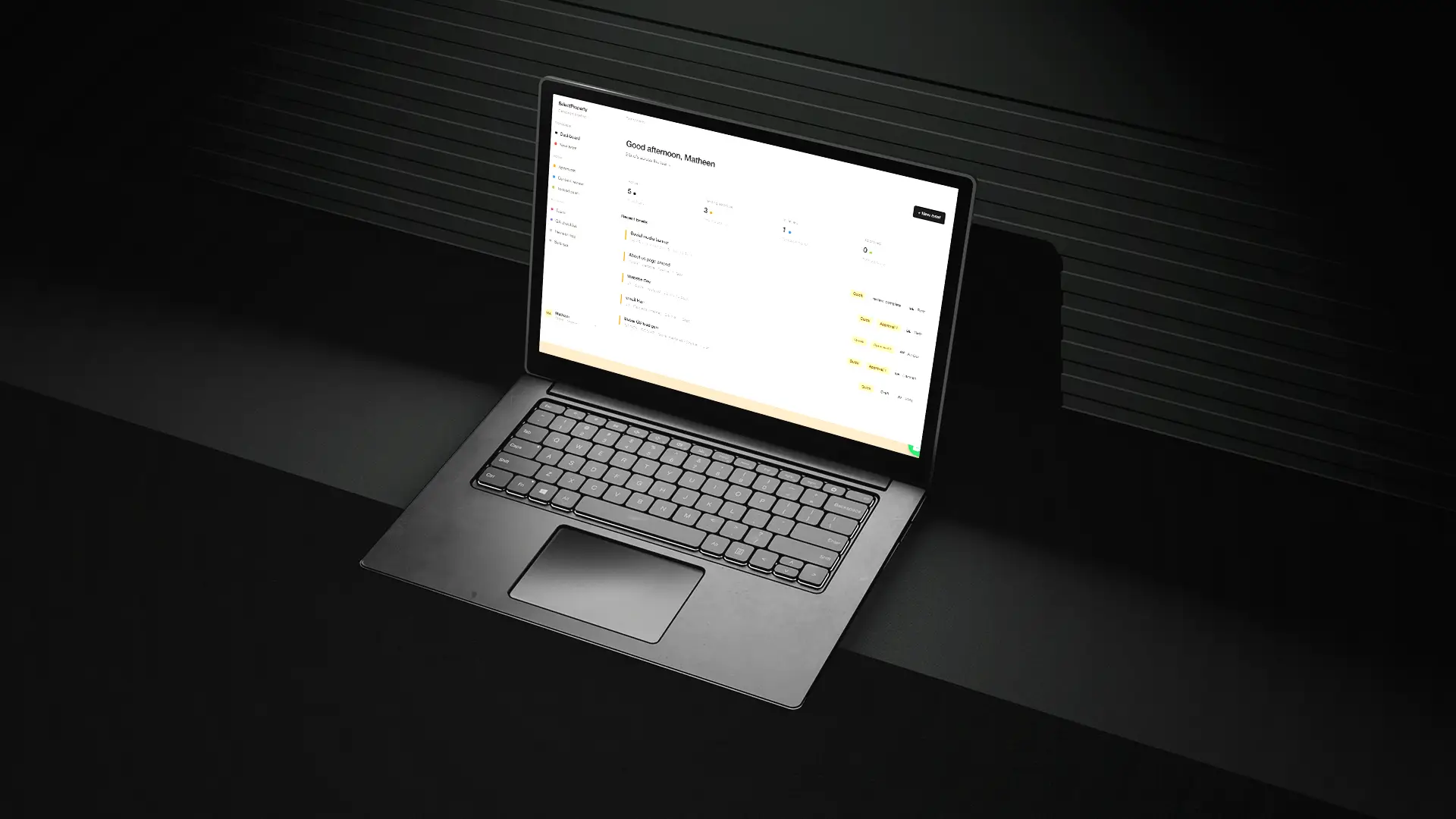
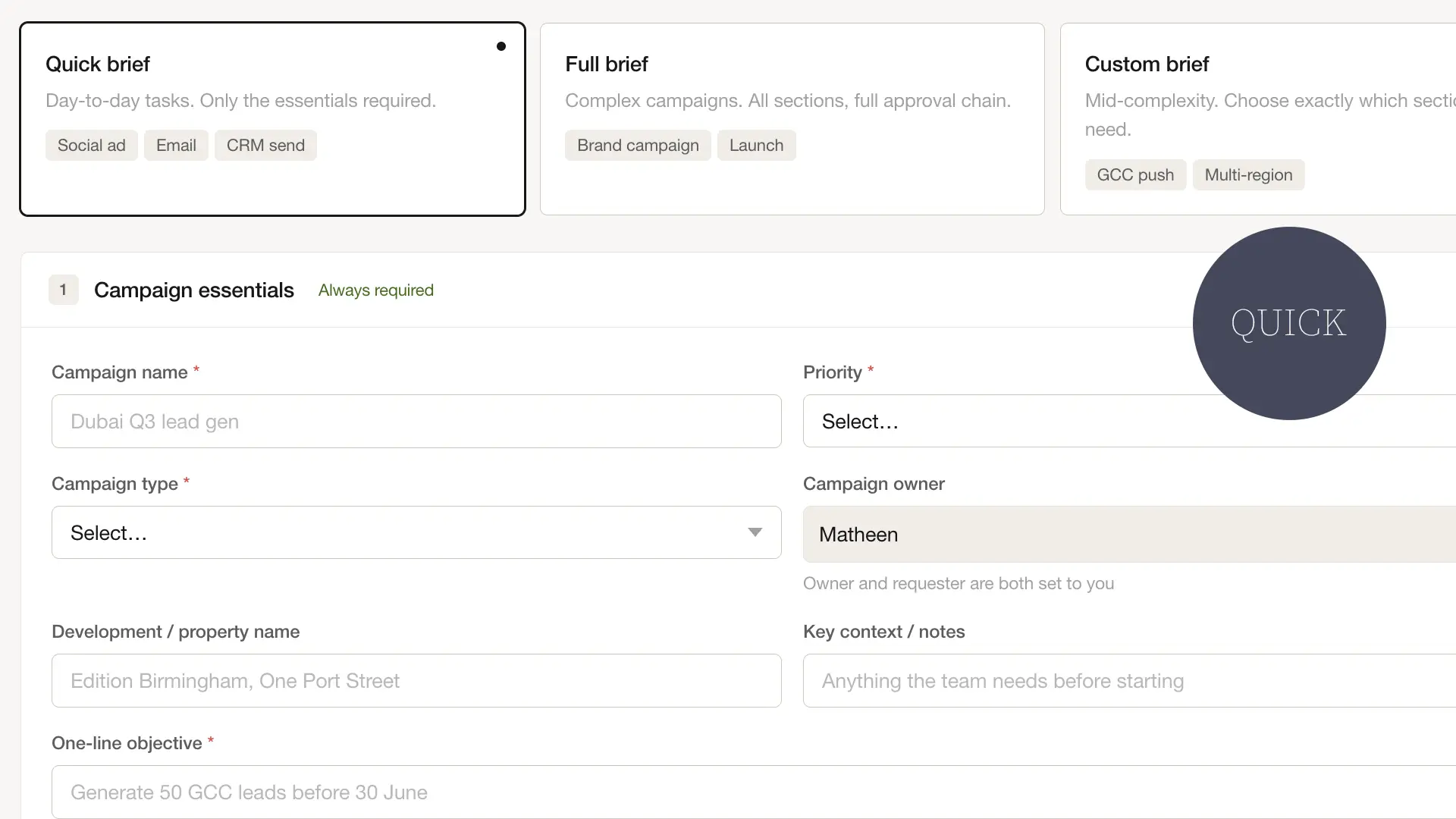
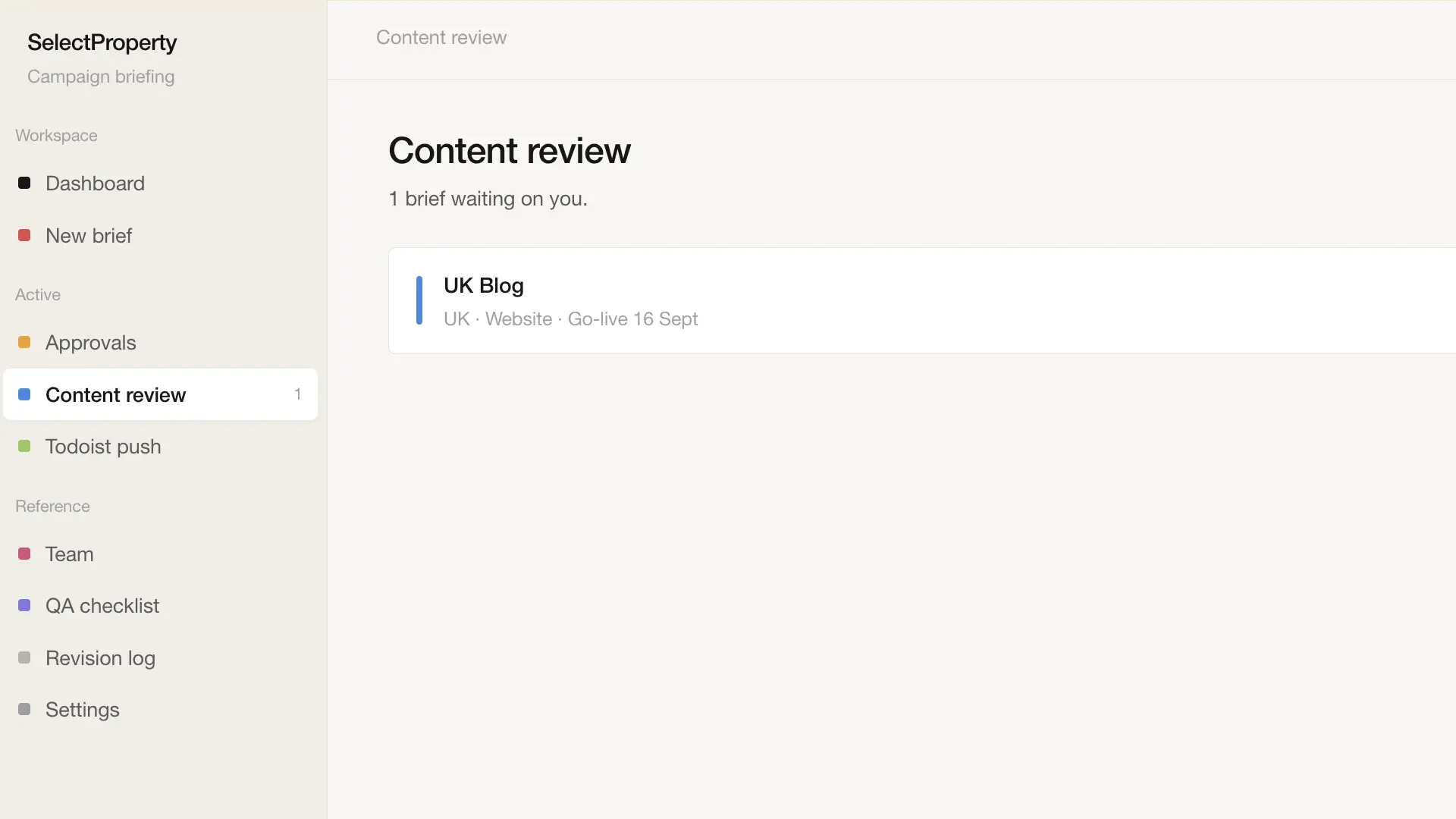
The app gives every brief one path. Draft, then an interpretation summary sent back to the requester to confirm the brief was understood as intended, then an approval chain chosen per brief rather than fixed by hierarchy. Any approver can request revisions with a severity rating and comments, which returns the brief to draft. Every action is written to an audit log.
The confirmation step is the part I would defend hardest. Most briefing tools capture what was asked for. This one makes the person who received the brief write down what they think it means, and makes the requester agree before any work starts. Almost every expensive piece of rework I have seen traces back to that conversation not happening.
Built hands-on in Node, Express and PostgreSQL with a deliberately plain front end, on a design system of warm stone, tight letter-spacing, two font weights and a five-pixel radius ceiling. Approved by management, with task-management integration and content review rounds specified for the next phase.
Role
- Product design
- UX
- Design system
- Build
Now showing —
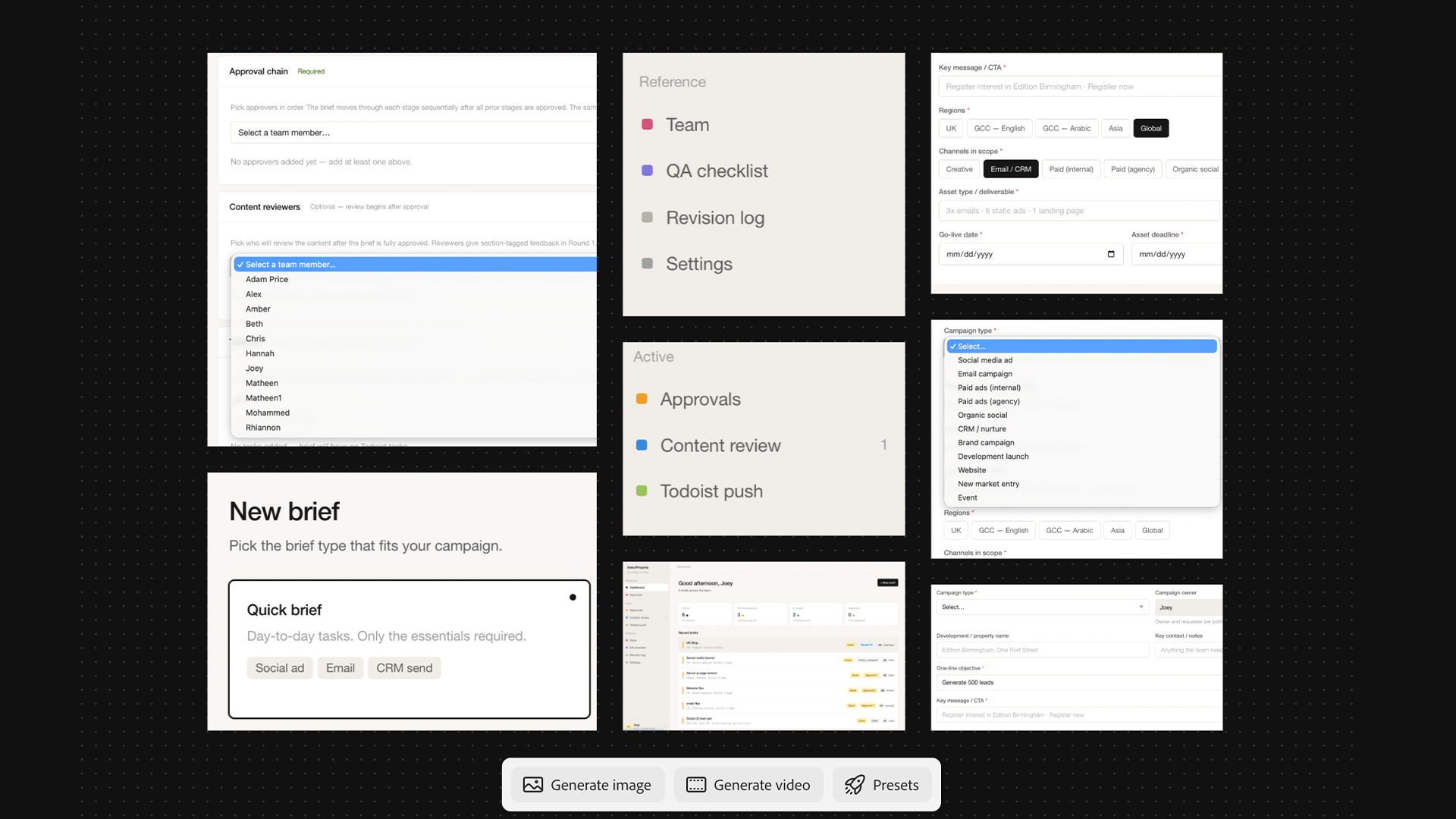
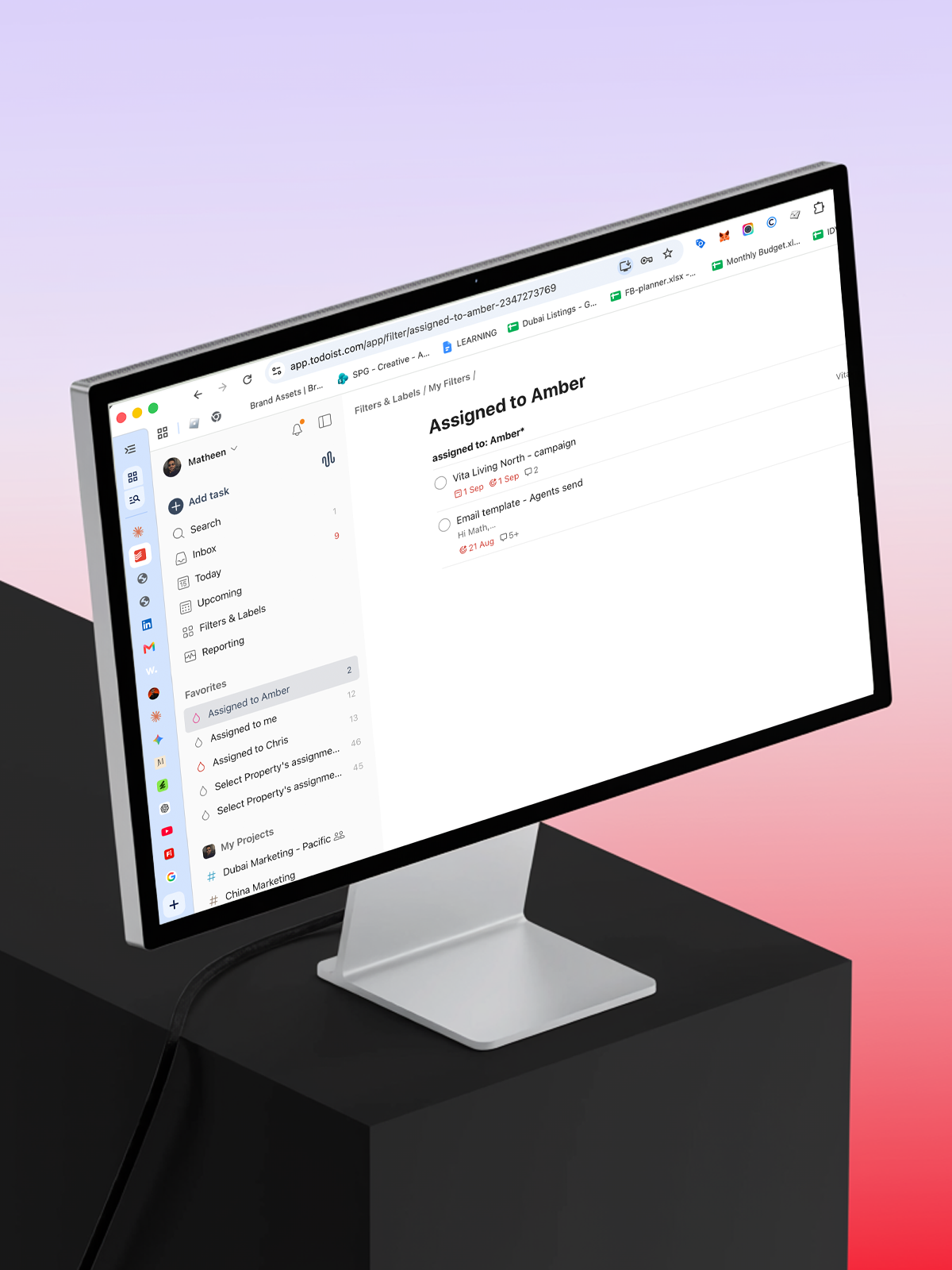


A structured briefing workflow for a marketing team across three regions, replacing briefs that arrived by email, Slack and WhatsApp.
One path per brief, and a name against every decision
- Interpretation confirmed before work starts
- Approval chain chosen per brief, not fixed by hierarchy
- Every action written to an audit log


Next project

Editorial AI Photoshoot
AI Imagery — Dubai 2026